By: Nicole Dianne C. Bargas │ College Guidance Advocate, Guidance Services Office
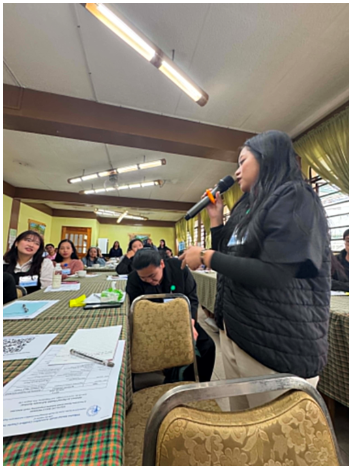
Expanding Baguio Central University’s (BCU) institutional capacity for student mental health care and youth support, guidance representatives from across the university’s basic and higher education departments participated in an intensive two-day regional seminar, “Teachers and Advisers as Mental Health Advocates,” held on June 25–26, 2026, at the H100 Eco Lodge along Magsaysay Avenue, Baguio City.
Organized by the Philippine Mental Health Association Cordillera Chapter Inc. (PMHA-CCI) under its flagship Youth Life Skills Program (YLSP)—with support from the Department of Health Center for Health Development Cordillera Administrative Region (DOH-CHD-CAR)—the seminar brought together educators, guidance advocates, and academic personnel from institutions across the region. The initiative aimed to equip school advocates with preventive mental health tools, stigma reduction strategies, and crisis management protocols necessary to cultivate safe, inclusive, and emotionally supportive school environments.
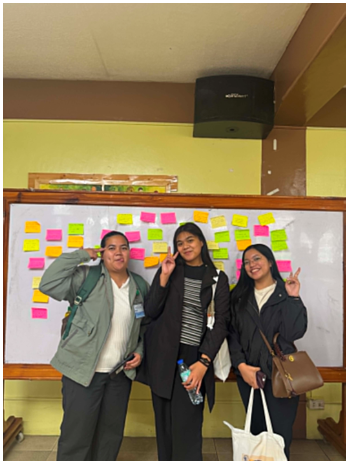
Representing Baguio Central University were College Guidance Advocate Ms. Dannadrae A. Roy, Senior High School Guidance Advocate Ms. Albrane Chency Ayochok, and Junior High School Guidance Advocate Ms. Krizelle Kitongan. Over two days of immersive workshops and lectures, the BCU delegation completed intensive training sessions designed to enhance early identification, peer support, and referral pathways across all student age groups.
The training officially commenced with arrival, registration, and a baseline pre-evaluation to assess participants’ prior knowledge and expectations regarding mental health advocacy. Following an opening prayer led by Ms. Jeyzely Jenn B. Wacoy, PMHA-CCI Chapter Executive Manager Ms. Christine Gina D. Camsol delivered welcome remarks and an orientation on PMHA-CCI’s organizational mission, setting the training’s core objectives. To build rapport, Program Relations Officer Ms. Catherine Mae A. Empleo facilitated an interactive getting-to-know activity where participants introduced themselves through unusual items in their bags—with BCU SHS Advocate Ms. Ayochok presenting her undergraduate name pin as a symbol of identity and service.
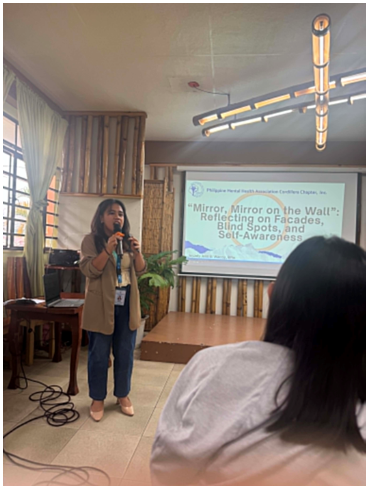
The morning technical session focused on self-awareness, blind spots, and professional facades in a workshop titled “Mirror, Mirror on the Wall,” facilitated by Ms. Wacoy. Participants engaged in “What’s in a Piso?”, an observational exercise highlighting how easily small details are overlooked, followed by the “Gulong ng Palad” activity to evaluate personal strengths and areas for growth. The session underscored self-awareness as the vital foundation for empathetic student advocacy.
Following a networking lunch, afternoon sessions resumed with a foundational discussion on “Enhancing Well-Being Through Understanding Mental Health and Mental Health Conditions,” led by Ms. Dully Mae D. Calicdan. The discussion explored common psychiatric conditions, early warning signs, and practical methods for challenging social stigma and establishing appropriate referral pathways. Concluding the first day, Education and Advocacy Department Head Ms. Spalm Joy C. Eslao presented “Understanding Today’s Adolescents and Emerging Adults,” offering practical strategies to address the emotional, behavioral, and social challenges faced by youth in modern educational settings.
Day two opened with participant-led recap sessions and an energizer, setting an active tone for institutional implementation. A key highlight of the morning was a sample demonstration of “Kalusugan ng Isip” delivered in Tagalog. Designed for community outreach, the presentation provided advocates with a practical template for conducting accessible mental health talks for diverse audiences who may find English technical terms challenging.
Ms. Camsol then facilitated a session on “Guiding Children Toward Confidence and a Strong Sense of Self,” leading the interactive “What Will You Say or Do?” exercise where participants recited their exact verbal and behavioral responses to challenging real-life student scenarios. The discussion emphasized positive reinforcement, resilience-building, and nurturing student self-identity.
In a crucial session titled “Supporting Youth in Distress: Depression, Suicide, and Early Intervention,” Clinical and Diagnostic Department Head Ms. Rizza Alma M. Evasco addressed urgent youth mental health concerns. The session began with a group exercise where participants examined personal assumptions and societal stigmas regarding emotional distress before examining the clinical nature of depression, self-harm, suicide risk factors, and emergency referral protocols.
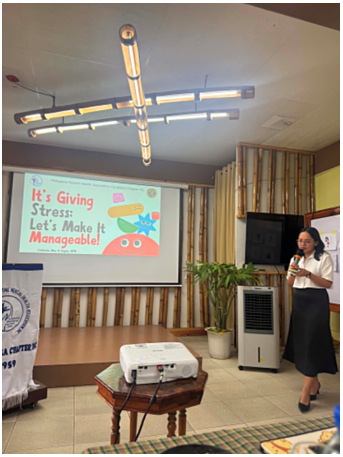
The final technical session, “It’s Giving Stress: Let’s Make it Manageable!”, was led by Ms. Empleo. Through the “Art Under Pressure” drawing activity, participants experienced firsthand how time constraints and acute stress impair cognitive performance and decision-making, leading into a discussion on practical stress management, healthy coping mechanisms, and educator self-care.
Following the technical modules, Ms. Camsol opened the floor for an interactive Q&A session, addressing participant queries regarding the institutional rollout of PMHA-CCI’s Youth Life Skills Program. Participants then took part in a dedicated Commitment Wall activity, writing and posting concrete action plans outlining how they intend to apply their mental health advocacy training within their respective schools.
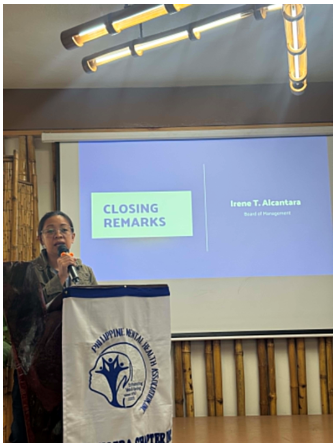
During the closing ceremony, PMHA-CCI Board of Management Member Dr. Irene T. Alcantara encouraged educators to remain proactive “safe adults” and advocates for youth well-being. After receiving their Certificates of Participation, the BCU delegation joined fellow attendees in reciting the Mental Health Advocate Pledge and completing final post-evaluations.
The insights, life skills frameworks, and crisis intervention protocols gained from the two-day seminar will directly inform BCU’s campus guidance programs, student orientation drives, and peer facilitator training through the Guidance Services Office.
This initiative aligns with United Nations Sustainable Development Goals, specifically SDG 3: Good Health and Well-Being by advancing youth mental health awareness, suicide prevention, and early crisis intervention; and SDG 4: Quality Education by creating supportive, inclusive, and emotionally resilient academic environments.
#BCU #GuidanceServices #PMHACCI #MentalHealthAdvocacy #YouthLifeSkills #SDG3 #SDG4 #BaguioCity #BaguioCentralUniversity