BAGUIO CENTRAL UNIVERSITY

BCU ANSWERS CHED-CAR’S CALL TO TRANSFORM DATA MANAGEMENT INTO A STRATEGIC INSTITUTIONAL ADVANTAGE

By Genevieve Balance Kupang

April 8, 2026

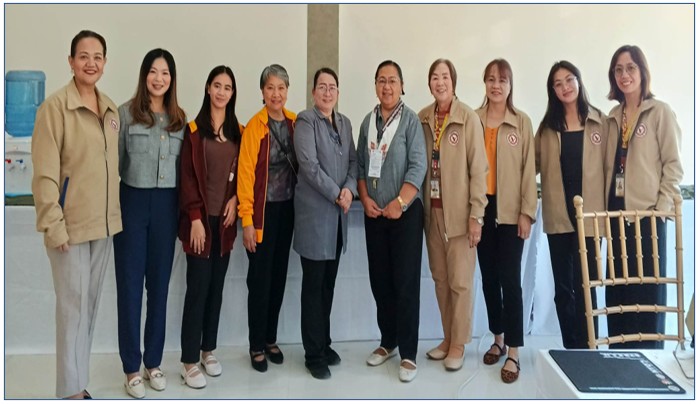
Together for S.T.R.E.A.M. 2026. BCU and CHED-CAR officials commit to advance data management into a strategic institutional advantage. From Left to Right: Dr. Genevieve B. Kupang, International Relations Officer and Dean, Graduate School; Ms. Quennie Lelina Rumbaoa, Regional Transnational Higher Education Officer; Ms. Ruby Rose Kimmayong, SAS Personnel; Ms. Judith Adina, Head of the Guidance Office and BCU GAD Officer; Dr. Ma. Geraldine F. Casipit, Chief Education Program Specialist; Ms. Melody C. Labawig, Education Supervisor II; Dr. Elma D. Donaa, Vice President for Academic Affairs; Ms. Gemma Castro, University Registrar; Ms. Rufina Cas-oy, Head of the Office of Student Affairs and Services; and Ms. Sheila C. Madugay, Officer-in-Charge of Scholarships.

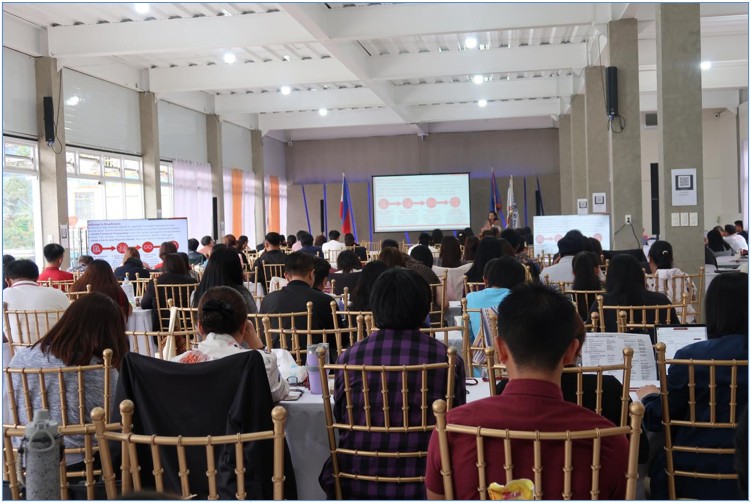
On April 7 and 8, 2026, Baguio Central University joined higher education institutions across the Cordillera Administrative Region at the Admirals Park and Events Center in La Trinidad, Benguet, for S.T.R.E.A.M. 2026: Achieving a Regional Expanded and Integrated Higher Education Data, a two-day convergence convened by the Commission on Higher Education – Cordillera Administrative Region under the leadership of OIC Director Dr. Serafin L. Ngohayon. STREAM stands for Stewardship, Timeliness, Research, Excellence, Alignment, and Management, guided by the COIN framework (Collection, Organization, Integration, and Navigability) to advance data readiness and vitality among HEIs. The gathering brought together vice presidents for academic affairs, registrars, gender and development focal persons, scholarship officers, student affairs officers, and international relations officers from institutions across the region, all convened around one imperative: to transform data management from a compliance exercise into a strategic institutional advantage. BCU sent a seven-person delegation, each carrying a distinct but interconnected role in the data ecosystem that CHED-CAR is calling all Cordilleran HEIs to build, strengthen, and sustain.
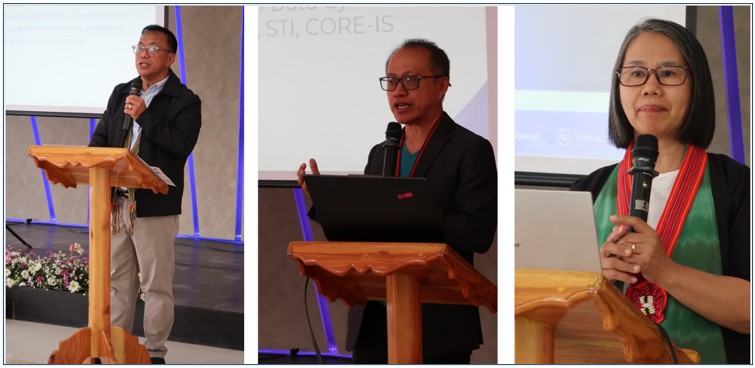
S.T.R.E.A.M. 2026 resource speakers addressed four interconnected pillars of regional higher education data. CHED-CAR OIC Regional Director Dr. Serafin L. Ngohayon opened with a discussion on achieving CHED's A.C.H.I.E.V.E. agenda through expanded and integrated data, with particular emphasis on heightened data collection across the region. Philippine Statistics Authority-CAR Director and Chief Statistical Specialist Mr. Aldrin Federico R. Bahit Jr. presented the Cordillera's education statistical landscape, grounding the conversation in the numbers that define the region's current realities. Dr. Pepita Picpican DOST-CAR Assistant Regional Director examined the intersection of higher education institutions, research, and innovation as drivers of regional development.

Representing BCU were: Dr. Elma D. Donaal, Vice President for Academic Affairs; Ms. Gemma Castro, University Registrar; Ms. Rufina Cas-oy, Head of the Office of Student Affairs and Services; Ms. Ruby Rose Kimmayong, SAS Personnel; Ms. Judith Adina, Head of the Guidance Office and BCU GAD Officer; Ms. Sheila C. Madugay, Officer-in-Charge of Scholarships; and Dr. Genevieve B. Kupang, International Relations Officer.

Ms. Melanie Saro, CAIRO President shared International Cordillera visibility through data readiness and vitality.

What S.T.R.E.A.M. 2026 Was and Why It Mattered

S.T.R.E.A.M. 2026 was convened to address problems about data infrastructure gaps, inconsistent post-activity documentation, and the challenge of convincing institutional leadership to invest in data systems that make programs legible and reportable. OIC Director Dr. Serafin L. Ngohayon anchored the event in a clear principle: CHED-CAR does not generate institutional data. The Higher Educational Institutions (HEIs) do. The Commission depends entirely on the reliability, consistency, and completeness of what its partner institutions report. Every spreadsheet filled out, every agreement filed, every partnership documented is a contribution to a regional record that, when made coherent and visible, can carry the Cordillera into governance conversations and global rankings with the credibility it deserves.

The ACHIEVE Agenda and BCU’s Multiple Data Responsibilities

Central to STREAM 2026 was CHED’s ACHIEVE Agenda, whose data requirements span every major office within a university. For BCU’s delegation, this meant confronting their collective responsibility across six interconnected areas.

Dr. Elma D. Donaal, as Vice President for Academic Affairs, carries data on programs, faculty qualifications, and curriculum alignment with national standards. OIC Director Ngohayon was clear: the percentage of PhDs and master’s degree holders on faculty is a critical governance indicator, and institutions must track this to plan faculty development proactively.

Ms. Gemma Castro, as University Registrar, holds enrollment figures, student demographics, socioeconomic profiles, province of origin, indigenous peoples’ affiliation, and graduation rates. CHED-CAR’s MIS focal persons, led by Mr. Darius B. Coloma, emphasized that enrollment forms must be revised to capture data that institutions currently underreport, particularly on students from indigenous communities, solo-parent households, and marginalized sectors, since it is the basis on which scholarship allocations are determined and equity programs justified.

Ms. Judith Adina, as BCU’s GAD Officer, carries the responsibility of mainstreaming SDG and GAD data across institutional reporting. The statistical landscape presented by PSA-CAR’s Aldrin Federico R. Bahit Jr. made this concrete: seven out of ten college students in the region are women, and this gender asymmetry has policy implications for scholarship design, career counseling, and labor market preparation that HEIs cannot ignore.

Ms. Sheila C. Madugay, as Officer-in-Charge of Scholarships, connects the most vulnerable students to programs designed to support them, from the Bagong Pilipinas Merit Scholarship Program and the Tertiary Education Subsidy under UniFAST to CHED’s expanded portfolio for indigenous peoples, solo-parent children, and equal opportunity beneficiaries. CHED-CAR’s message was direct: know your scholars exactly, and ensure that scholarship data can withstand audit and policy review.

Ms. Rufina Cas-oy and Ms. Ruby Rose Kimmayong of the Student Affairs Office contribute data on student life, services, and support structures, the very indicators that rankings assess as dimensions of institutional character. CCDC President Dr. Sherry Junette Malaya-Tagle reminded participants that post-activity reports are the first casualty of poor data culture. Many student programs go uncounted not because they did not happen, but because no one documented them properly.

Dr. Genevieve B. Kupang, as BCU’s IRO and CAIRO Board Director, carries data on partnerships, mobility programs, and internationalization activities under CMO No. 55, s. 2016. CAIRO President Ms. Melanie R. Saro’s presentation reframed this responsibility plainly: IROs are not event coordinators. They are institutional data stewards whose documentation shapes how Cordillera presents itself to the world. This is the link to the article for CAIRO group: https://www.pressenza.com/2026/04/from-stewardship-to-impact-cairo-champions-data-driven-internationalization-at-s-t-r-e-a-m-2026/.

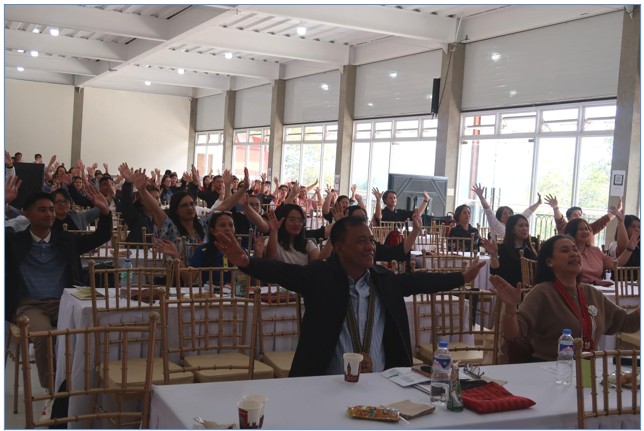
CAR HEI representatives during the icebreaker at S.T.R.E.A.M. 2026 led by CAIRO President Melanie R. Saro.
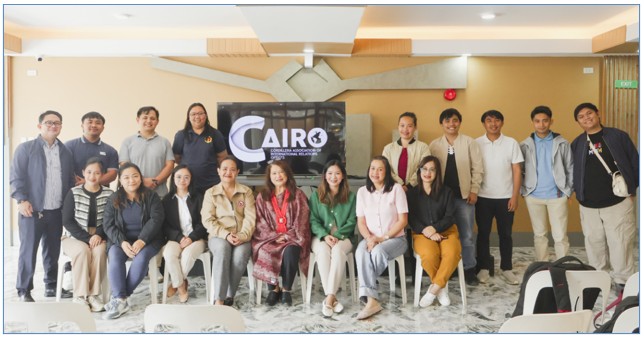
CAIRO officers and members join resource speaker Atty. Cheryl L. Daytec-Yangot, OIC Regional Director of the CAR Department of Migrant Workers at STREAM 2026. With her are Dr. Godfrey Mendoza, Education Supervisor II and Internationalization Focal Person, CHED-CAR; Ms. Quennie Lelina Rumbaoa, Project Technical Staff III and Regional Transnational Higher Education Officer, CHED-CAR; Ms. Melanie R. Saro, President of CAIRO; and Dr. Genevieve B. Kupang, Dean of the Graduate School and International Relations Officer, Baguio Central University, and CAIRO Board of Director. Together, they embody the region’s commitment to internationalization that is data-driven, globally engaged, and protective of every Cordilleran who crosses borders in pursuit of learning and opportunity.

What BCU Brought Home

The true measure of any forum is what its participants carry back. BCU’s delegation returned from S.T.R.E.A.M. 2026 with clarity, conviction, and a sharper sense of what the university must do next.

Ms. Rufina Cas-oy, who joined the parallel sessions under the Student Affairs and Services track, named record keeping as her most urgent takeaway. Improving how information is stored, organized, and accessed is not a back-office concern but a strategic one. Centralizing institutional information ensures efficient retrieval, faster production of required documents, and alignment with SDG 12 on responsible resource management. The parallel sessions were the most meaningful part of the event for her, creating space for institutions to speak honestly about shared concerns and offer practical lessons drawn from real operations. The scholarship grants discussion reinforced that financial assistance information must be accurate, current, and in the hands of the right people. While BCU’s student affairs programs are already well-established, she noted that areas under institutional student programs still require further strengthening. She expressed hope for the continuation of similar events and for future gatherings that expand participation beyond the Cordillera.

Dr. Elma D. Donaal, VPAA, described the event as informative, enriching, and engaging, and underscored its central lesson: data is not a reporting requirement. It is the foundation of credible decision-making. Policy considerations and management decisions are only as sound as the data that informs them. She identified the Focused Discussion Groups as the event’s standout feature, noting how structured dialogue across sectors helped harmonize STREAM and COIN frameworks toward the shared goal of ACHIEVE. She also stressed the value of alignment with bodies such as DOST, DOLE, PRC, and NICA, and called on CHED-CAR to initiate more training programs for key institutional personnel. Knowledge shared in a two-day forum is multiplied when those responsible for implementation are equipped and supported for the long term.

BCU’s Commitment Going Forward

STREAM 2026 was, at its core, a call for institutional citizenship. It asked universities to submit reports to invest in the data culture, the human capital, and the digital infrastructure that make those reports meaningful.

The spreadsheet carefully maintained by Ms. Castro, the scholarship record updated by Ms. Madugay, the GAD activity reported with impact data by Ms. Adina, the student programs documented from start to finish by Ms. Cas-oy and Ms. Kimmayong, the academic profile built with precision by Dr. Donaal, and the internationalization data stewarded by Dr. Kupang: these are not clerical tasks. They are acts of institutional citizenship, BCU’s contribution to the regional record that, when made visible and credible, can carry the Cordillera into the global conversation with the recognition it deserves.

Photo credits: Arlene Bayani, Arabelle Stacy Julian, Edgar Alambra, and Danielle y Gadoan Galong.

Dr. Genevieve Balance Kupang is the Dean of the Graduate School and International Relations Officer of Baguio Central University, Board Director of CAIRO, Historian of WURI, and Secretary of WUNI-L.