By: Rey B. Neyney-BCU CCJE Criminology Intern
On the morning of October 9, 2025, a magnitude 4.4 earthquake struck La Union, with tremors felt strongly in Baguio City and other parts of northern Luzon. According to PHIVOLCS, the quake’s epicenter was located near Pugo, La Union.
Though there were no casualties or damages reported, many residents of Baguio City, especially students, felt dizzy or panicked during the tremor. In response, Baguio Central University Interns gave assistance to the Philippine National Police (PNP) and Bureau of Fire Protection (BFP) in assisting affected students.
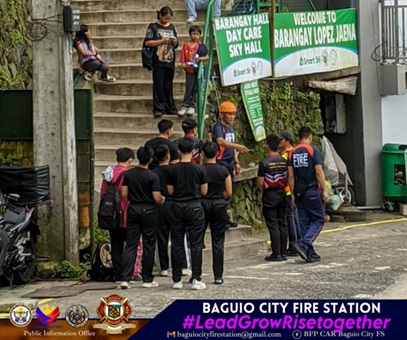
Right after the earthquake, the Baguio City Police Office station 6 asked for the assistance of the Bureau of Fire Protection Aurora Hill Station to help them in giving psychological first aid to the students at Doña Aurora High School. That time, BCU Criminology interns Mr. Neyney, Eisma, Dagdagen, and Alsiyao, were at the station for their internship, which were also called to assist.
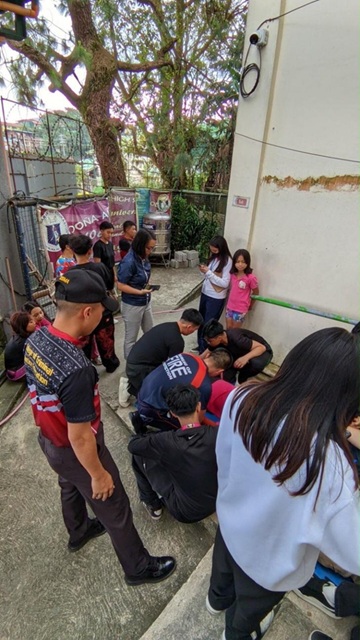
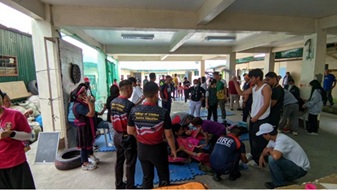
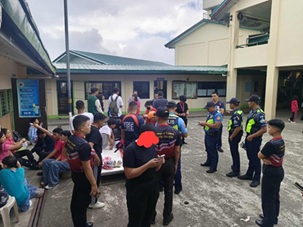
Upon arrival at Dona Aurora High School, FO3 Kevin Clyde P. Moises accompanied by Intern Neyney were instructed by the Aurora Hill Fire Station Commander Sir Jose B. Dagson, to go to the Barangay Hall of Barangay Lopez Jaena to check the vital signs and observe a student who was conscious but won’t communicate because according to Fire Officer Moises, she was under shock but is in a safe condition. The other BFP officers with the other interns went to the school grounds. where in, an estimated number of 15 students were laid down due dizziness, shock and panic attacks.
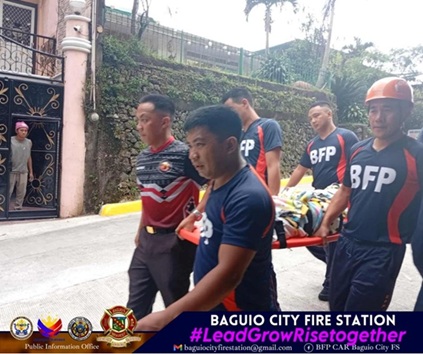
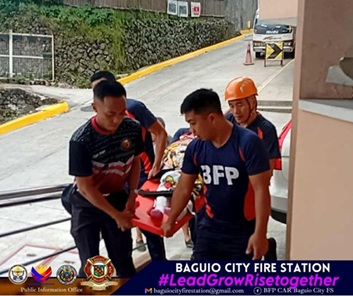
After assessing the current situation, the PNP and BFP officers decided to bring the severe cases to the health center beside the Doña Aurora High School and Baguio General Hospital. Since the other officers were preoccupied checking the students lying down, the interns helped in carrying the stretchers. One female student was carried by Intern Rey Neyney with the PNP and BFP officers, and was brought to Baguio General Hospital, accompanied by 3 PNP officers and intern Rey Neyney thru a police mobile. The interns who were left at the school assisted the other psychologically injured students. Intern Eisma also assisted in carrying the other students who were brought to the health center.
This event reminds us that earthquakes can strike without warning, making preparedness essential for safety and survival. Regular earthquake drills play a crucial role in helping individuals and communities respond quickly and effectively during a real event. These drills serve as important reminders to stay alert, know evacuation routes, and practice safe actions like “Duck, Cover, and Hold.” By taking earthquake drills seriously and staying informed, we can reduce panic, prevent injuries, and protect lives when the ground begins to shake.
Quick earthquake response aligns strongly with UN SDG 11: Sustainable Cities and Communities, which emphasizes building resilient, safe, and well-prepared environments. Ensuring that communities can respond swiftly to earthquakes—through early warning systems, coordinated rescue efforts, and trained responders—significantly reduces casualties, damage, and long-term disruption. By strengthening disaster preparedness and emergency operations, local institutions help create cities that can withstand natural hazards and recover more quickly. In this way, effective earthquake response is not just an act of immediate safety but a vital step toward achieving sustainable, disaster-resilient communities. This was shown by the swift response of BFP Aurora Hill when the BCPO Station 6 called for their assistance to help the psychologically injured students of the Doña Aurora High School.
In addition, it is also connected with SDG 13: Climate Action which emphasizes the need to strengthen resilience and adaptive capacity to all hazards, including natural disasters. While earthquakes are not caused by climate change, they are part of the broader category of disasters that communities must be prepared for. Quick and efficient earthquake response through emergency planning and trained rescue personnel which directly contributes to building resilience. By integrating disaster preparedness into local policies and community practices, authorities not only minimize the immediate impact of earthquakes but also enhance the long-term capacity of communities to recover and adapt. In this way, proactive earthquake management supports the goals of SDG 13 by promoting safety, resilience, and sustainable development in the face of natural hazards.