by Engr. Lorelie S. Malit & Engr. Onofre F. Rillera, MSCE
Non-Teaching Research Coordinator and COE Research Coordinator
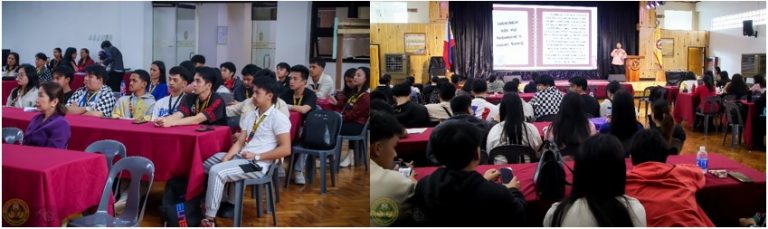
The second day of the 16th University Research Colloquium on March 6, 2026 continued to strengthen the culture of scholarly inquiry at Baguio Central University as faculty researchers, students, and partner institutions gathered once again at the Dr. Margarita Joven Fernandez Hall for a full day of proposal presentations, knowledge exchange, and research capacity-building.
The morning session focused on institutional research proposal presentations, where scholars presented forward-looking studies aimed at strengthening educational systems, community engagement, and organizational governance. Among the proposed research initiatives were a transdisciplinary community-based needs assessment for sustainable development in Cattubo, Atok, Benguet, baseline community development profiling in Barangay Paoay, and studies examining recruitment practices for collegiate athletics and board examination abstention among criminology graduates.
Other proposals explored innovations in teaching and institutional policy development, including the integration of the Desmos application in teaching calculus, the enhancement of National Service Training Program (NSTP) community immersion initiatives, and the sustainability of environmental programs such as the “Adopt-A-Park” initiative of the College of Hospitality and Tourism Management. Additional studies addressed teaching internship readiness among education students, the impact of institutional policies on organizational effectiveness, and the readiness of universities to implement inclusive education in elementary and secondary programs.
These proposals reflected the university’s commitment to ensuring that research initiatives remain responsive to the needs of communities and institutions while contributing to broader national and global development priorities.
The afternoon sessions transitioned into a series of research-focused plenary discussions designed to strengthen scholarly competencies and research governance within the university community. One of the highlights was the lecture “The Research Lifecycle Explained: Undergraduate and Institutional Processes Demystified,” delivered by Dr. Michael T. Sebullen, Director for Research. The session provided a comprehensive overview of the research journey—from conceptualization and proposal development to publication and research utilization—clarifying institutional processes that guide both faculty and student researchers.
Another significant plenary lecture titled “Operationalizing Ethics: Practical Guidelines for Scholarly Writing and Data Governance” was delivered by Dr. Cherrie Mae M. Manuel, Dean and Research Coordinator of the College of Business Administration. The discussion emphasized the importance of ethical research practices, responsible data management, and academic integrity in ensuring that scholarly outputs maintain credibility and societal trust.
Complementing this session was the lecture “Draft, Defend, Disseminate: A Practical Mentoring Framework for Student and Faculty Publication,” delivered by Ms. Aiza Bheal M. Kitani, Research and Program Coordinator of the College of Teacher Education, Languages, and Arts. Her presentation highlighted the importance of mentorship in transforming research outputs into publishable work, particularly in guiding emerging scholars through the complexities of academic writing, peer review, and research dissemination.
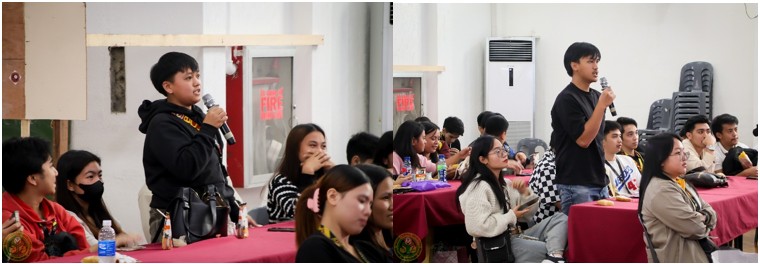
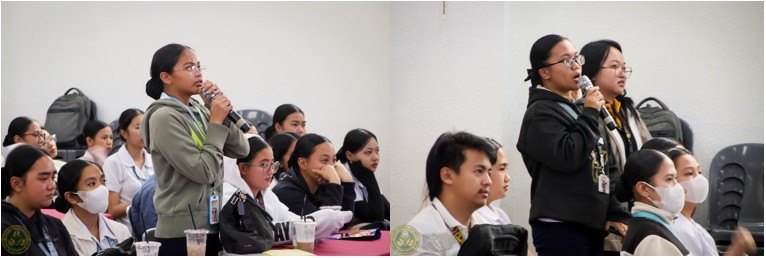
Throughout the plenary sessions, syntheses and reflective discussions were provided by research coordinators and academic leaders, allowing participants to critically examine the insights presented and consider how these frameworks can strengthen the university’s research ecosystem.
University leaders emphasized that the colloquium reflects the institution’s continuing commitment to cultivate a vibrant research culture aligned with national policy directions and global development priorities. By strengthening interdisciplinary collaboration and research mentorship, the university aims to ensure that scholarly outputs translate into meaningful community impact.
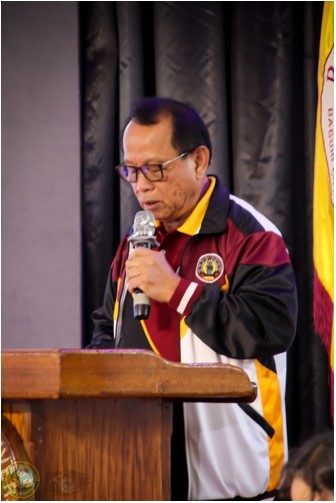
The second day concluded with a closing ceremony led by Dr. Perfecto M. Lopez, Vice President for Administration, recognizing the contributions of presenters, speakers, and participants whose research initiatives continue to enrich the university’s knowledge community.
As the curtains closed on the two-day academic gathering, the 16th University Research Colloquium once again demonstrated how research serves as a powerful platform for innovation, collaboration, and societal transformation. Guided by the theme “Rise, Reflect and Research: Building a Legacy of Innovation,” the event reaffirmed the university’s role as a hub for scholarly dialogue and knowledge creation—supporting the broader aspirations of the United Nations Sustainable Development Goals, particularly SDG 4 (Quality Education) and SDG 9 (Industry, Innovation and Infrastructure).
More than a sequence of presentations, the second day of the colloquium illustrated how universities can transform research into a collective endeavor—one that bridges institutions, empowers communities, and advances a shared vision of sustainable and inclusive development toward SDG 2030.