CBRC’s predictive analysis helps CTELA students see where to focus for the LEPT
Before any long journey, it helps to have a map. Not one that shows the whole road at once, but one that marks where the ground is solid and where it may give way. For CTELA’s future teachers, that map came in the form of a test.
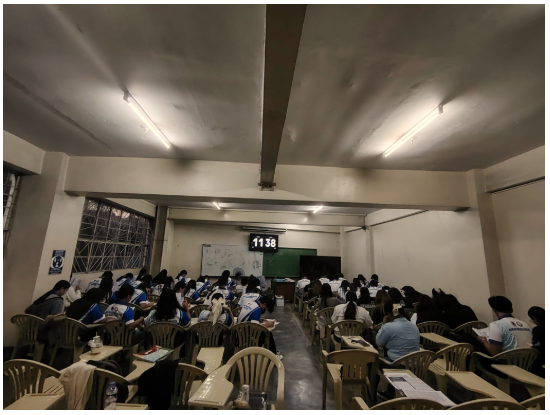
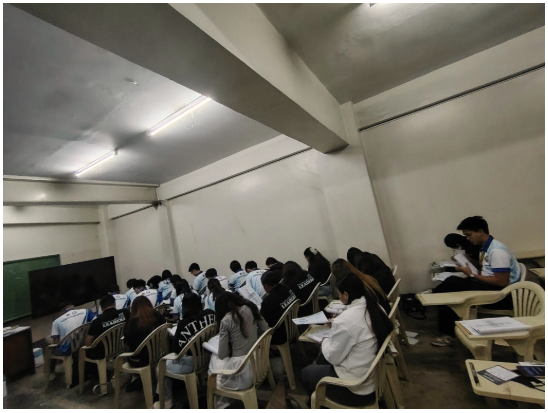
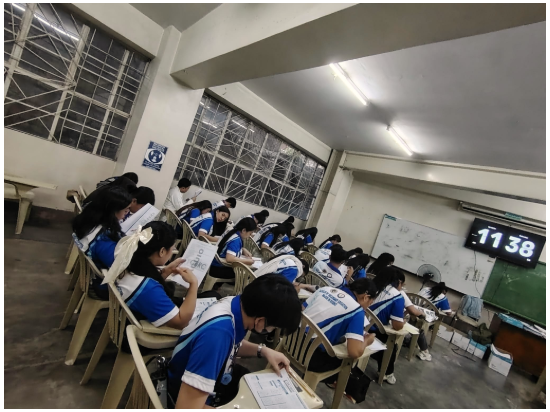
On October 17, 2026, the Dr. Carl E. Balita Review Center (CBRC) conducted its National Aptitude and Normative Predictive Analysis for students of the College of Teacher Education and Liberal Arts (CTELA). The assessment is designed to predict passing performance and school ranking for teacher education programs across the country, giving colleges a clearer picture of where their students stand before the real examination arrives.
The goal is simple but valuable. By looking at results subject by subject, schools all over the Philippines can see where their students excel and where they struggle. That knowledge helps students and faculty decide where to focus most in their review for the Licensure Examination for Professional Teachers (LEPT), so that time spent preparing goes where it is needed most.
The test covered two areas that every future teacher must master: Professional Education, which deals with the principles and practice of teaching, and General Education, which covers the broad base of knowledge every educator is expected to carry into the classroom.
The assessment was led by Mr. John Vengado, a representative of CBRC. He expressed hope that the results would help the college identify its students’ strengths and areas for improvement well ahead of the actual LEPT, turning a single day of testing into months of better-directed preparation.
For the students, the experience was an honest look at where they stand. After the test, some described it as challenging. Others said many of the questions touched on concepts that felt familiar, ideas they had studied before but could no longer recall when it mattered. It is a common experience, and an important one. Knowing that a lesson was once learned but has since faded is exactly the kind of insight a review plan needs.
The work is not finished yet. Mr. Vengado said that CBRC will continue to coordinate with the college for a separate assessment covering the students’ major subjects, with the hope that it can be scheduled before the semester ends.
The activity also connects to two larger goals. Sustainable Development Goal 4, Quality Education, calls for more qualified teachers, because good schools depend on them. Assessments like this one help make sure that future educators are not just prepared, but prepared in the right places, so that more of them pass the licensure exam and carry their knowledge into classrooms across the country. The activity also reflects Sustainable Development Goal 17, Partnerships for the Goals, which recognizes that lasting progress is built through cooperation. By working together, a review center and a university can do what neither could do as well alone: CBRC brings a national benchmark, and CTELA brings the students and faculty ready to act on the results. That partnership, set to continue with the assessment of major subjects, is what turns a single test into real progress.
A predictive test does not decide the future. It only shows the road ahead more clearly. With their strengths in view and their gaps now named, CTELA’s future teachers have something every examinee needs: a clear place to begin.