
by: Dr. Cherrie Mae M. Manuel
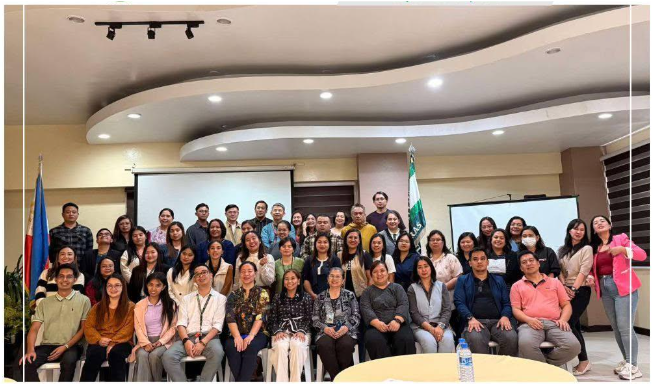
On September 30, 2025, the Cordillera Regional Health Research and Development Consortium (CRHRDC), in partnership with the Department of Science and Technology – Cordillera Administrative Region (DOST–CAR), successfully conducted the Research Utilization and Commercialization (RUC) Orientation at the University of the Cordilleras, Baguio City. The activity aimed to strengthen the capacity of higher education institutions and research organizations in translating research outputs into practical applications, innovations, policies, and technologies that address regional health priorities and community needs
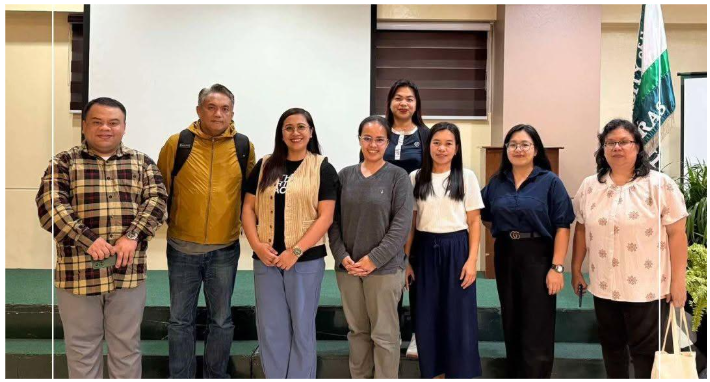
Representing Baguio Central University (BCU) were the University’s Research Coordinators from various colleges and units, namely Dr. Cherrie Mae M. Manuel (College of Business Administration), Mr. Hilario A. Sanglay (College of Nursing and School of Midwifery), Engr. Lorelie S. Malit (Non-Teaching Unit), Ms. Aiza Bheal M. Kitani (College of Teacher Education and Liberal Arts), Ms. Rowena B. Gagno (College of Criminal Justice Education), Dr. Edna P. Culbongan (Graduate School), Mr. Angelo A. Bayacsan (College of Hospitality and Tourism Management), and Engr. Jemimah P. Pating (College of Engineering). Their participation demonstrated the University’s commitment to strengthening its research capabilities and promoting interdisciplinary collaboration in addressing regional and national development concerns.
Throughout the orientation, participants gained valuable insights into the processes of research utilization and commercialization, including strategies for transforming research findings into innovative products, technologies, evidence-based policies, and community-responsive interventions. The discussions also highlighted the importance of aligning institutional research initiatives with the priority research agenda of the Cordillera region, particularly in the field of health research, to maximize societal impact and contribute to sustainable development. The activity further encouraged participants to develop a utilization-driven research culture by fostering stronger collaboration among researchers, academic institutions, government agencies, and industry partners.
The orientation significantly enhanced the participants’ understanding of the pathways through which research can generate meaningful social, economic, and policy impacts beyond academic publication. It also reinforced the role of research coordinators in mentoring faculty researchers, promoting innovation, facilitating knowledge transfer, and ensuring that research outputs are translated into practical solutions that benefit communities and stakeholders.
Furthermore, the activity contributes to the attainment of the United Nations Sustainable Development Goals (SDGs), particularly SDG 3: Good Health and Well-being, by promoting research that addresses regional health challenges and improves health outcomes; SDG 4: Quality Education, by strengthening research capacity and fostering innovation among higher education institutions; SDG 9: Industry, Innovation and Infrastructure, by encouraging the commercialization and utilization of research outputs to support technological advancement; and SDG 17: Partnerships for the Goals, through collaborative efforts among CRHRDC, DOST–CAR, higher education institutions, and other stakeholders in advancing impactful and utilization-driven research.
Overall, the successful conduct of the Research Utilization and Commercialization (RUC) Orientation provided Baguio Central University research coordinators with valuable knowledge and practical strategies for enhancing the relevance and impact of institutional research. The activity reaffirmed the University’s commitment to fostering a culture of innovation, collaboration, and research excellence that contributes to improved community well-being and sustainable regional development.