BAGUIO CENTRAL UNIVERSITY

(074) 444-9247 / (074) 424-8216 #18 Bonifacio Street, ABCR Barangay, Baguio City
Baguio Central UniversitySoaring High Towards Excellence

Resonance of Hope: The Philippine World March, Stirring Emotions and Connecting Hearts for Peace and Integral Regeneration

By: Mariel Tay-eo, Pinky Pascaden, Arnel Dumo, Normalyn Sayduen, Emmanuel Orpia, Roxanne Lassin, Love Lyn Hogat, and Johna Salagma

A photo montage capturing the memorable highlights and meaningful moments of the 4th Philippine World March for Peace and Integral Regeneration. Photo Credit: Mariel Tay-eo

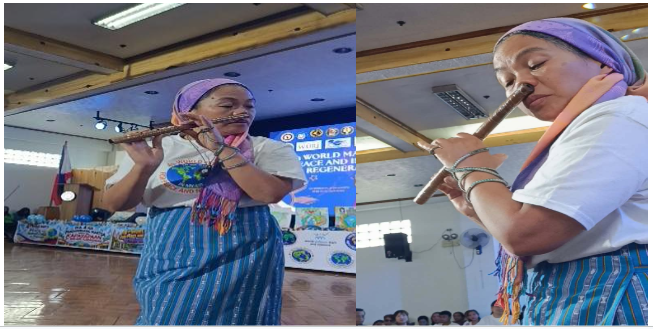
At the opening of the 4th World March for Peace and Integral Regeneration (4WMPIR) at Baguio Central University, flutist Dom-an Florence Macagne delivered a heartfelt prayer through her rendition of “Peace Is Flowing Like a River.” Her music gently drew everyone into a moment of stillness and reflection. Each solemn note seemed to quiet the hall, inviting the participants to listen to the melody and the emotions it conveyed. Her composed expression and graceful, intentional movements revealed a profound sense of reverence, as though she were offering the music as a prayer for a world yearning for peace. The flute’s gentle tones resonated throughout the venue, creating an atmosphere of serenity and deep emotion and awakening contemplation, sorrow, longing, and hope among those present. 

In this solemn beginning, the audience was encouraged to understand peace and experience it on a deeper, more personal level. Macagne’s performance transcended an ordinary cultural presentation, becoming a meaningful introduction to the World March for Peace. Through her music, she opened an emotional space where participants could reflect on the struggles facing the world while embracing the hope that peace can continue to spread quietly from one person to another, flowing like a river that perseveres on its journey forward.

A solemn call for peace. Flutist Dom-an Florence Macagne solemnly performs “Peace Is Flowing Like a River,” filling the hall with a quiet emotional resonance that invites participants to pause, reflect, and hope. With every note, she carried a prayer for peace. Photo Credit: Mariel Tay-eo

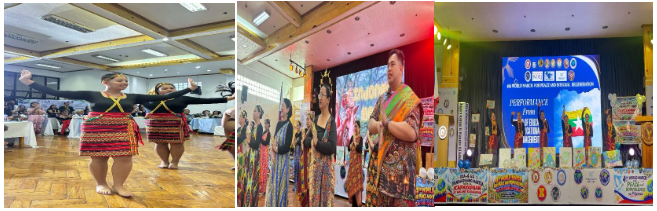
One of the highlights of the 4WMPIR was the vibrant showcase of ASEAN dances, featuring Philippine indigenous dance from the Cordillera Administrative Region, Indonesia Menari, and Myanmar’s Thingyan dance. These lively performances celebrated the rich cultural heritage and traditions of Southeast Asia through expressive movements, colorful costumes, and captivating rhythms. 

Indonesia Menari showcased the beauty and diversity of Indonesian dance, while the Thingyan dance reflected the festive spirit of Myanmar’s traditional New Year celebration. Together, the performances highlighted the region’s cultural diversity and shared identity, reinforcing the spirit of unity, friendship, and mutual respect among ASEAN nations. More than an artistic display, the dances served as a meaningful reminder that cultural exchange can bring people together and strengthen the bonds of peace and solidarity across nations.

The dancers, dressed in colorful traditional-inspired costumes, brought energy and joy to the gathering. Their movements, expressions, and coordinated performance captured the festive spirit associated with Thingyan. The presentation drew the attention of the audience and created an atmosphere of celebration.

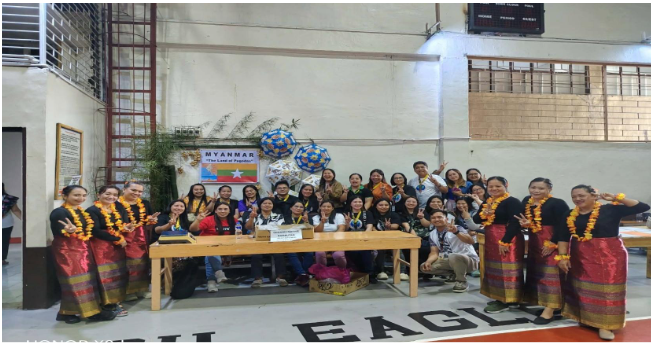
The cultural presentation at the 4th World March for Peace and Integral Regeneration brought color, energy, and emotion to the gathering through the performances of Indonesia Menari, Myanmar’s Thingyan dance, and the Fungakan dance. Each performance offered an artistic display of meaningful expressions, cultural identity, and the shared aspiration for peace.

Indonesia Menari captivated the audience with its lively movements and vibrant rhythms, reflecting the richness and diversity of Indonesian culture. Meanwhile, Myanmar’s Thingyan dance radiated joy and festive energy, inspired by the country’s traditional New Year celebration. 

Adding another meaningful dimension to the presentation, the Fungakan dance showcased cultural expression through its distinctive movements and rhythms, reminding the audience of the importance of preserving traditions and honoring the identities of different indigenous communities. Together, these performances created an atmosphere filled with enthusiasm, pride, and hope. The dancers’ movements conveyed emotions that words alone could not fully express, inviting the audience to appreciate the beauty of cultural diversity and the connections that unite people across borders. Each rhythm and gesture became a reminder that, despite differences in language, traditions, and backgrounds, humanity shares a common longing for harmony and understanding.

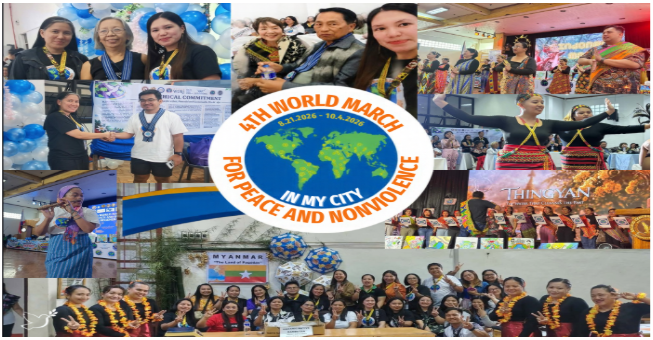
EDMGT participants posing in front of the Myanmar booth, showcasing their appreciation for Myanmar’s rich cultural heritage and traditions during the 4th World March for Peace and Integral Regeneration.

Another significant highlight of the 4th World March for Peace and Integral Regeneration was the gathering of prominent speakers whose insights, experiences, and messages emphasized the urgent need to cultivate peace, strengthen solidarity, and promote meaningful social change. Through their respective perspectives, the speakers shed light on the challenges facing communities today, including violence, discrimination, and the growing concerns about viciousness and harm in digital spaces. 

Their messages encouraged participants to look beyond individual differences and recognize their shared responsibility in building a more compassionate, inclusive, and peaceful society. Their messages served as calls to action, inspiring individuals, institutions, and communities to transform the ideals of peace and integral regeneration into concrete, lasting harmony, justice, and sustainable growth.