BAGUIO CENTRAL UNIVERSITY

(074) 444-9247 / (074) 424-8216 #18 Bonifacio Street, ABCR Barangay, Baguio City
Baguio Central UniversitySoaring High Towards Excellence

A Seat for Every Learner

CTELA and Basic Education teachers learn together about inclusive education

Every classroom holds learners who do not all learn the same way. One student reads quickly but struggles to sit still. Another hears every word but needs to see it written down. Another may live with a disability that makes the ordinary school day a daily challenge. A good teacher notices these differences. An inclusive teacher builds a classroom where every one of those learners has a real place.

That idea was at the center of a seminar on inclusive education held on February 2 at the Dr. Margarita J. Fernandez (MJF) Hall of Baguio Central University. The College of Teacher Education and Liberal Arts (CTELA), together with teachers from the university’s Basic Education department, attended the seminar, held under the leadership of University President Dr. Margarita Cecilda B. Rillera.

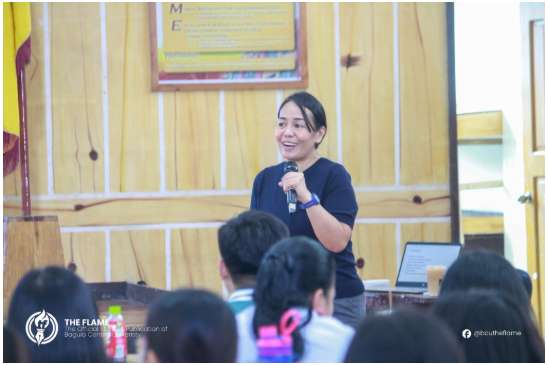
The resource speaker engages participants during the seminar on inclusive education at MJF Hall. (Photo: The Flame)

Inclusive education rests on a simple belief: that every learner, whatever their abilities, background, or needs, deserves to learn alongside their peers and to be given what they need to succeed. In practice, that belief asks a great deal of teachers. It calls for flexible lessons, patient assessment, and the willingness to adjust when one approach does not reach every student.

The topic is especially timely in the Philippines. Republic Act No. 11650, signed in 2022, established a national policy of inclusion and services for learners with disabilities. It made inclusive education not only a goal but a responsibility of schools across the country, and it placed teachers at the heart of that work.

Bringing college and basic education teachers into the same room gave the seminar added value. Teachers in the Basic Education department meet learners in their earliest and most formative years, while CTELA prepares the teachers who will one day lead classrooms of their own. Learning together, both groups could share a common understanding of what inclusion looks like from the first grade to the college classroom.

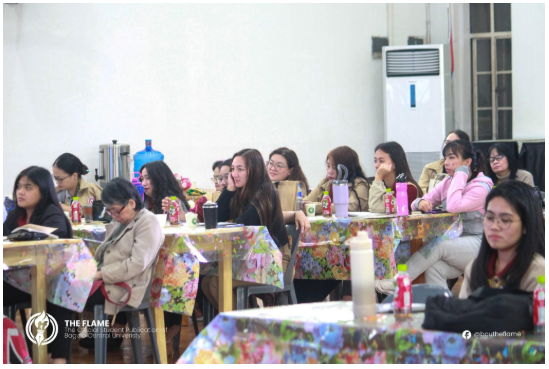
Participants listen intently during the seminar. (Photo: The Flame)

For CTELA, the lesson runs deeper still. The college does not only teach; it forms future teachers. What its faculty learn about inclusion shapes how they model it for their students, and those students will carry it into schools throughout the region. A single seminar can reach far beyond the walls of the hall where it was held.

The seminar also connects to a larger goal. Sustainable Development Goal 4, Quality Education, calls for inclusive and equitable education for all, including equal access for persons with disabilities and learning environments that are safe and welcoming for every learner. It also reflects Sustainable Development Goal 10, Reduced Inequalities, which seeks to ensure that no one is left behind. Inclusive classrooms are where both goals begin to take shape.

In the end, inclusion is less about a single method than about a way of seeing. It begins when a teacher looks at a room full of different learners and asks not who belongs, but how to make sure that everyone does. On February 2, CTELA and its Basic Education colleagues came together to learn how to ask that question well.