By: Wennie Joy D. Lida & Marielle Kryzyl A. Datuin
Editor: Marga L. Taganas, CPA, MBA
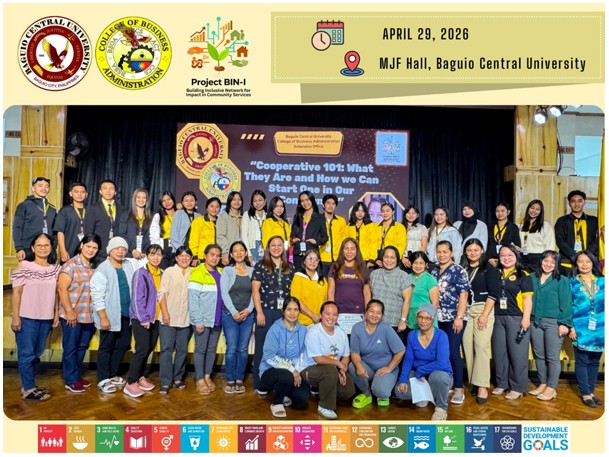
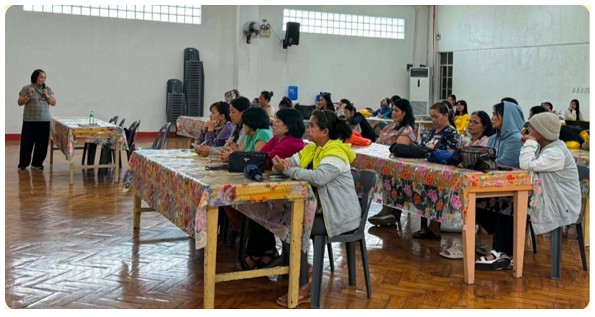
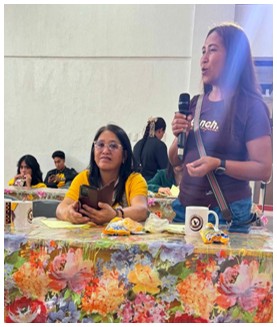
In line with its mission to promote inclusive and community-driven development, the College of Business Administration (CBA) conducted a seminar on April 29, 2026, entitled โCooperative 101: What They Are and How We Can Start One in Our Community,” as part of the universityโs community extension program under Project BIN-I: Building Inclusive Network Impact in Community Services. The activity brought together a diverse group of participants, including residents from Purok 27, Barangay Irisan, Baguio City, and the college’s adopted barangay, Loacan, Itogon, Benguet, as well as members of the Baguio Central University Employee Association, CBA students, and faculty.
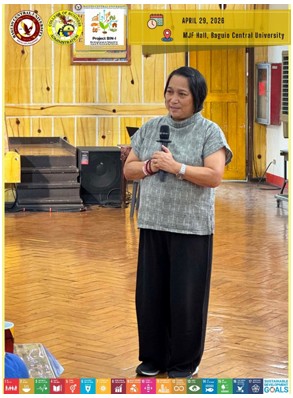
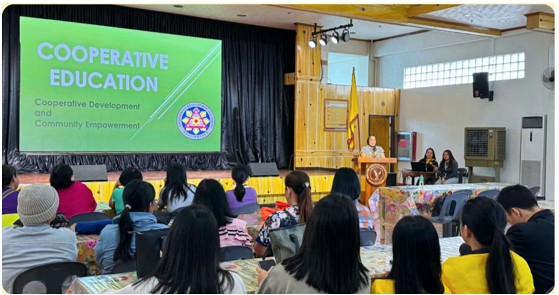
The seminar featured Ms. Priscilla T. Bejar, Cooperative Development Specialist II from the Cooperative Development Authority (CDA), as the resource speaker. With over three decades of professional experience, Ms. Bejar provided an in-depth analysis of the legislative frameworks that govern the role of cooperatives in the Philippines. Ms. Bejar guided participants through the essential principles of cooperative formation and management, explaining membership duties, privileges, and policies governing cooperative life. Beyond foundational concepts, the seminar provided practical guidance on establishing and sustaining cooperatives. Ms. Bejar walked participants through the documentary requirements and step-by-step registration process.
To inspire action, Ms. Bejar shared compelling success stories from the cooperative sector, including a Baguio-based cooperative that has grown into a billion-peso enterprise over 55 years. These examples demonstrated the remarkable potential of cooperatives to generate lasting economic impact when grounded in a clear vision and sustained commitment. Additionally, she introduced participants to modern systems like the Electronic Cooperative Registration Information System (E-CoopRIS) and discussed updated policies under relevant Republic Acts, including RA 11364, RA 9520, and RA 11535, ensuring the audience understood both legal frameworks and practical steps for starting their own cooperatives.
The participants actively engaged during the open forum, raising questions regarding capital and what type of cooperative they fit into. The program concluded with the awarding of certificates to the resource speakers, participants from the partner communities, and the evaluation forms. A photo opportunity followed, after which the program concluded with closing remarks, expressing gratitude to all participants and organizers.
More importantly, the seminar reflects strong alignment with the United Nations Sustainable Development Goals (SDGs), particularly ๐บ๐ซ๐ฎ ๐: ๐ต๐ ๐ท๐๐๐๐๐๐, ๐บ๐ซ๐ฎ ๐: ๐ซ๐๐๐๐๐ ๐พ๐๐๐ ๐๐๐ ๐ฌ๐๐๐๐๐๐๐ ๐ฎ๐๐๐๐๐, ๐บ๐ซ๐ฎ ๐๐: ๐น๐๐ ๐๐๐๐ ๐ฐ๐๐๐๐๐๐๐๐๐๐๐, ๐๐๐ ๐บ๐ซ๐ฎ ๐๐: ๐ท๐๐๐๐๐๐๐๐๐๐๐ ๐๐๐ ๐๐๐ ๐ฎ๐๐๐๐. By promoting cooperatives as accessible economic mechanisms, the seminar contributes to poverty reduction and improved access to financial resources. It further supports decent work and economic growth by encouraging entrepreneurship and cooperative enterprise development, while addressing inequalities by empowering diverse community members to participate in shared economic opportunities. Moreover, the activity strengthens sustainable communities through participatory development approaches and reinforces the value of multi-stakeholder collaboration, bringing together the academe, government, and local communities in pursuit of inclusive and sustainable development.